
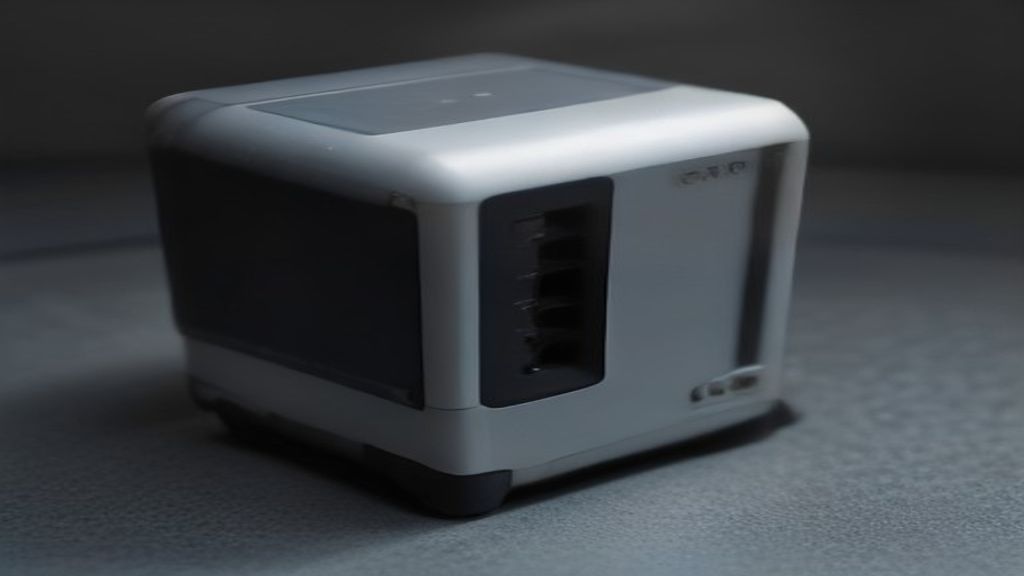
Sizing a portable power station is where most buyers either overspend on capacity they never use or, more often, buy something that dies halfway through the job. The math is not hard, but it hinges on one honest adjustment the marketing skips: the watt-hours printed on the box are not the watt-hours you actually get out of the AC outlets. This guide walks through the real numbers, a runtime chart for everyday devices, and the two caveats — surge power and solar input — that decide whether a station fits your situation.
Step 1: Watts vs Watt-Hours (the two numbers people mix up)
Two specs do all the work here. Watts (W) measure how much power a device pulls at any instant — a laptop might draw 50W, a microwave 1,000W. Watt-hours (Wh) measure how much energy a station stores — the size of the tank. Runtime is simply the tank divided by the draw: usable watt-hours divided by device watts equals hours. A 1,000 Wh station (about 850 Wh usable) running a 100W TV lasts roughly 8.5 hours. That single formula is the whole game.
Step 2: What Common Devices Actually Draw
Below are typical draws and the approximate runtime you would get from a 1,000 Wh-class station, using about 850 Wh of usable capacity. These are estimates — your exact device, its settings, and ambient temperature all move the number — but they are close enough to size a purchase.
| Device | Typical running watts | Approx. runtime on a 1,000 Wh station |
|---|---|---|
| Phone charge | 5–10 W | Dozens of full charges |
| Laptop | ~50 W | ~15–17 hours |
| LED TV | ~100 W | ~8 hours |
| CPAP (no humidifier/heat) | ~30–40 W | ~1–2 nights |
| Mini-fridge (averaged over cycling) | ~40–60 W avg | ~14–20 hours |
| Full-size fridge (averaged; high startup surge) | ~150 W avg | ~5–6 hours |
| Microwave | ~1,000 W | ~50 minutes (intermittent use) |
| Space heater | ~1,500 W | Often exceeds a 1 kW-class inverter entirely |
Step 3: Add Up Your Real Need
To size for a specific job, list every device you want to run, note its watts, and estimate the hours you need each. Multiply watts by hours for each device, add them up, then divide the total by 0.85 to account for inverter losses. That final figure is the rated capacity to shop for. Example: a fridge (150W averaged) for 8 hours is 1,200 Wh; a few phone and laptop charges add maybe 300 Wh; total 1,500 Wh of real need divided by 0.85 is about 1,765 Wh — so you would want a 2,000 Wh-class station, not a 1,000 Wh one, to run a fridge overnight with margin.
Step 4: Check Surge Watts, Not Just Continuous
Capacity tells you how long; the inverter’s power rating tells you whether it runs at all. Anything with a motor or heating element — a fridge compressor, a pump, a power tool, a microwave — briefly pulls far more than its running watts at startup. A fridge that runs at 150W can spike past 1,000W for a fraction of a second. Your station needs a continuous rating above the device’s running watts and a surge rating above its startup spike. This is also the spec most worth scrutinizing: as we cover in our Portable Power Station Honesty Index, most surge figures are manufacturer claims that no independent outlet has confirmed, so leave headroom rather than trusting the number exactly.
Step 5: If You Will Recharge by Solar, Budget Extra
Solar input is the other place the box number misleads. Portable panels typically deliver only about 30–51% of their rated wattage in real outdoor conditions, based on independent instrumented testing. So a station advertising “400W solar input” fed by panels rated for 400W combined is often actually receiving closer to half that, which stretches any recharge estimate well beyond the marketing figure. If off-grid recharging is your plan, budget for roughly double the panel wattage you think you need, and confirm the panel voltage falls inside the station’s published input window. Our portable solar panel guide breaks down measured versus rated output in detail.
Portable Power Station Sizing FAQ
What size power station do I need to run a refrigerator?
For a full-size fridge overnight, plan on a 2,000 Wh-class station rather than a 1,000 Wh one, and confirm the inverter’s surge rating comfortably clears the compressor’s startup spike. Mini-fridges are far easier and can run most of a day off a 1,000 Wh unit. Our home backup sizing guide walks through the full calculation.
How do I convert watt-hours to real runtime?
Divide the usable watt-hours (roughly 85% of the rated figure) by the device’s running watts. A 1,000 Wh station is about 850 Wh usable, so a 100W device runs for about 8.5 hours.
Why does my power station drain faster than the specs suggest?
Two reasons: the inverter loses energy converting DC to AC, so usable capacity is below rated, and many devices draw more than their labeled watts under load. Sizing with an 85% usable figure and a little headroom absorbs both.
Can a portable power station run a space heater?
Usually not for long, and often not at all on smaller units. A 1,500W space heater exceeds the continuous inverter rating of most 1 kW-class stations, and even where it fits, it would drain a 1,000 Wh station in well under an hour. High-wattage heating is the least efficient thing you can ask a battery to do.
How many solar watts do I need to recharge in a day?
Budget for about double the rated panel wattage you would expect on paper, because panels commonly deliver only a third to a half of their rating in real conditions, and check that the panel voltage sits inside the station’s published solar input window.
Related: once you know your size, see where specs and reality diverge in our best solar generator roundup and portable power station reviews.