
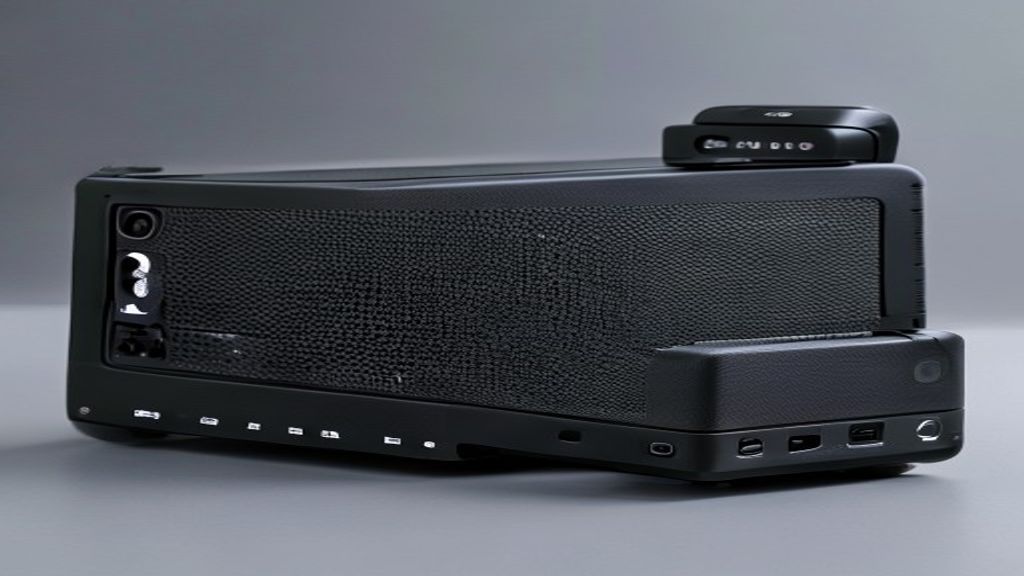
In the 2,000Wh class these two are frequent cross-shops. Manufacturer specs put them neck and neck; the independent bench figures tell a clearer story, and each unit carries a real-world caveat worth knowing before you buy.
Real usable capacity
OutdoorGearLab measured the Jackery Explorer 2000 v2 at 1,710 Wh usable of its 2,042 Wh rating, or 84%. T3 and StorageReview measured the EcoFlow DELTA 3 Max Plus at 1,640 Wh of 2,048 Wh, or 80% — the worst measured efficiency in the DELTA 3 family. The Jackery delivers more real energy and a higher share of its rating.
| Model | Rated Wh | Measured usable Wh | % delivered | Source |
|---|---|---|---|---|
| Jackery Explorer 2000 v2 | 2,042 | 1,710 | 84% | OutdoorGearLab |
| EcoFlow DELTA 3 Max Plus | 2,048 | 1,640 | 80% | T3 / StorageReview |
The caveats that matter
The Jackery took OutdoorGearLab’s Editors’ Choice and ranked first of twelve, with a seamless UPS in which a fridge’s lights never flickered. Its documented flaw is a solar bug: the input cycles on and off every 5 to 8 seconds when paired with Jackery’s own SolarSaga 200W panel, corroborated across a 78-comment owner thread and two units. A firmware fix exists but is gated behind a support ticket rather than pushed automatically, and the fan runs continuously whenever the AC inverter is on.
The DELTA 3 Max Plus answers the biggest complaint of the DELTA 3 Plus: T3’s two-month test found the fan bug gone, with the unit near-silent even above 3kW, and its Smart Output Priority sheds low-priority circuits instead of tripping. Against that, it returns the least of its rating in the family at 80%, and at 48.7 lb it ships with no wheels.
Buy If / Avoid If
- You want the most real capacity in the pair — 1,710 Wh usable (OutdoorGearLab), 84% of its rating.
- You want a proven seamless UPS — OutdoorGearLab’s Editors’ Choice, ranked #1 of 12, with a fridge’s lights never flickering on switchover.
- You charge mainly from the wall, sidestepping the solar bug below.
- You will pair it with Jackery’s SolarSaga 200W panel — the solar input cycles on and off every 5–8 seconds (corroborated across a 78-comment owner thread and two units).
- You expect the firmware fix automatically — it is gated behind a support ticket, not pushed.
- Fan noise bothers you — the fan runs continuously whenever the AC inverter is on.
- You want quiet operation — T3’s two-month test found the earlier fan bug gone, near-silent even above 3 kW.
- You want smarter home-backup behaviour — Smart Output Priority sheds low-priority circuits instead of tripping.
- The unit will stay put in a fixed home-backup role.
- You size by usable capacity — it delivers 80% of its rating (1,640 Wh), the least in the DELTA 3 family.
- You need to move it often — 48.7 lb with no wheels.
- You want the higher real reserve of the two — the Jackery’s 1,710 Wh beats its 1,640 Wh.
The verdict
The Jackery delivers more real capacity and won OGL’s top spot, so it is the pick if you value raw performance and can work around the solar bug or charge from the wall. The Max Plus is the quieter, smarter-about-circuits choice for a home-backup role where you rarely move it. See where both land against the field in our Honesty Index.
Full evidence page: Jackery Explorer 2000 v2. See all in the product evidence library.